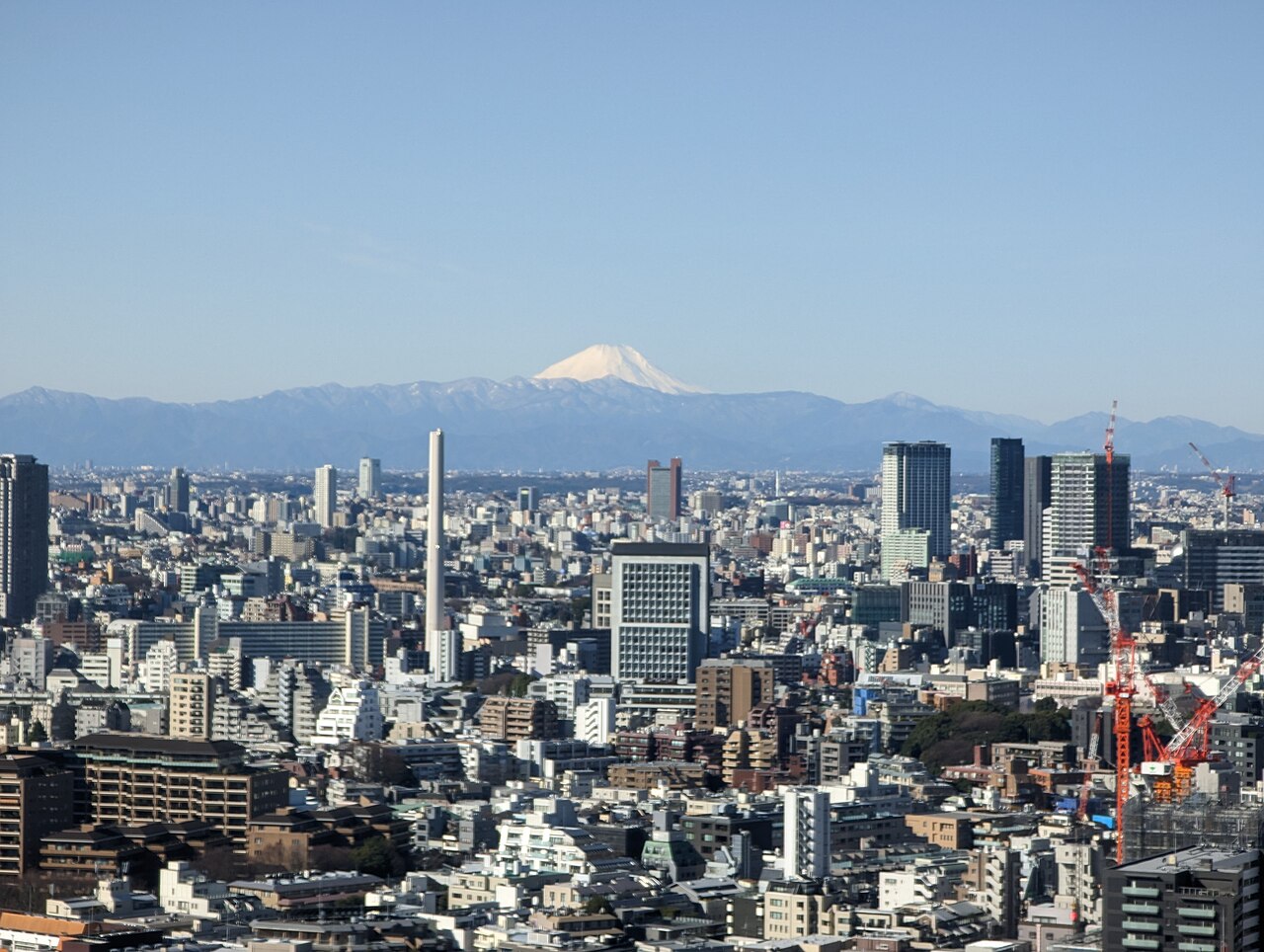
The short answer: 4 nights and 5 days is a useful baseline for 3 full days in Tokyo
If Tokyo is the main focus of your trip, you plan to get around by public transportation and on foot, and you are not including a day trip or Disney, 4 nights and 5 days is a practical baseline for a first visit. That gives you three full days: one for neighborhoods with a sense of history, one for modern Tokyo, and one for an area that matches your interests.
If you also want a day trip to the Lake Kawaguchi area, Kamakura, Nikko, or Hakone—or a full day at Tokyo Disney Resort—5 nights and 6 days is the better choice. You can spend three full days sightseeing in Tokyo and reserve another full day for the day trip or Disney.
If you do not count your arrival and departure days as full sightseeing days, use these combinations as a guide:
- 3 nights / 4 days = 2 full sightseeing days: A short trip with two main Tokyo routes
- 4 nights / 5 days = 3 full sightseeing days: This article’s recommended baseline for a first Tokyo trip
- 5 nights / 6 days = 4 full sightseeing days: 3 days in Tokyo plus 1 day trip or Disney day
- 6 nights / 7 days = 5 full sightseeing days: 3–4 days in Tokyo plus 1–2 day trips or Disney days
The itineraries in this article do not treat the arrival or departure day as a full sightseeing day. With a 4-night, 5-day stay, you therefore have three full days between them regardless of your flight times. A morning arrival or an evening departure may give you another half day or so.
Keep in mind that your flight time is not the same as the time you can begin or finish sightseeing. On arrival, you still need to clear immigration, collect your luggage, and travel from the airport to your hotel. When choosing the length of your stay, look beyond the scheduled landing time. Check when you can realistically leave your bags and start exploring, as well as when you need to leave Tokyo for the airport.
Four nights and five days is not enough to cover all of Tokyo. Five nights or more will be easier if you are traveling with young children or older adults, want time to recover after a long-haul flight, or prefer to explore museums, shopping, or food at a slower pace. On the other hand, 3 nights and 4 days can work if you only have about two priority areas.
Four nights and five days is not always the best allocation if Tokyo is one stop on a wider Japan trip that also includes places such as Kyoto or Osaka. Decide how long your entire trip will be and which places outside Tokyo matter most before dividing your nights among destinations.
3 nights and 4 days: Choose two main Tokyo routes
Three nights and four days is a short itinerary built around two main Tokyo routes. Even if you arrive at night and leave in the morning, you still have two full sightseeing days in between.
- Day 1 — Arrival: Travel to your hotel. If time allows, have dinner or take a short walk near the hotel
- Day 2: Asakusa and Ueno, or Asakusa and Tokyo Skytree
- Day 3: Meiji Jingu, Harajuku, and Shibuya. Add Shinjuku in the evening if you still have the time and energy
- Day 4 — Departure: If time allows before departure, shop near your hotel or at Tokyo Station
If your main reason for visiting is Tsukiji and Ginza, Akihabara, or Roppongi, substitute that route for Day 2 or Day 3. On a short visit, removing a route that matters less to you is more important than adding more stops.
4 nights and 5 days: The standard plan for 3 full days in Tokyo
With 4 nights and 5 days, you have three full days between arrival and departure. You can devote one day each to historic neighborhoods, modern Tokyo, and an area or theme that matches your interests, such as anime, architecture, art, or shopping.
- Day 1 — Arrival: Travel to your hotel. Explore the surrounding area if time allows
- Day 2: Asakusa and Ueno, or Asakusa and Tokyo Skytree
- Day 3: Meiji Jingu, Harajuku, and Shibuya. Add Shinjuku in the evening if you still have the time and energy
- Day 4: Choose one route: Tsukiji, Ginza, Tokyo Station, and Marunouchi; Akihabara; Roppongi; or Toyosu and Odaiba
- Day 5 — Departure: If time allows before departure, shop, eat, or take a walk in a nearby area
If seeing Mount Fuji or visiting Disney is the main purpose of your trip, you can use Day 4 for it. In that case, however, you will have only two full sightseeing days in Tokyo. If you want three full days in the city plus one day out, 5 nights and 6 days is the clearer choice.
5 nights and 6 days: 3 days in Tokyo plus 1 day trip or Disney day
Five nights and six days gives you three days for Tokyo’s main areas and one full day for either a trip to the Lake Kawaguchi area, Kamakura, Nikko, or Hakone, or a visit to Disney.
- Day 1 — Arrival: Travel to your hotel. Explore the surrounding area if time allows
- Day 2: Asakusa and Ueno, or Asakusa and Tokyo Skytree
- Day 3: Meiji Jingu, Harajuku, and Shibuya. Add Shinjuku in the evening if you still have the time and energy
- Day 4: Choose one Tokyo route based on your interests
- Day 5: Choose one: the Lake Kawaguchi area, Hakone, Kamakura, Nikko, or Disney
- Day 6 — Departure: If time allows before departure, shop, eat, or take a walk in a nearby area
If you are not interested in a day trip or Disney, use Day 5 for more of Tokyo. You could explore Shinjuku at a slower pace, spend the day in a single neighborhood, return to an area you liked, or simply keep the day lightly scheduled.
6 nights and 7 days: 3–4 days in Tokyo plus 1–2 day trips or Disney days
With 6 nights and 7 days, you can spend about four days sightseeing in Tokyo and use one day for a day trip or Disney. Alternatively, spend three days in Tokyo and use two days for day trips or Disney.
- Day 1 — Arrival: Travel to your hotel. Explore the surrounding area if time allows
- Day 2: Asakusa and Ueno, or Asakusa and Tokyo Skytree
- Day 3: Meiji Jingu, Harajuku, and Shibuya. Add Shinjuku in the evening if you still have the time and energy
- Day 4: Choose one Tokyo route based on your interests
- Day 5: Choose one: the Lake Kawaguchi area, Hakone, Kamakura, Nikko, or Disney
- Day 6: Choose another Tokyo route, a second day trip, or the other Disney park—or keep this as a flexible day
- Day 7 — Departure: If time allows before departure, shop, eat, or take a walk in a nearby area
If a Mount Fuji-area day trip is part of your plan, avoid fixing in advance whether Day 5 or Day 6 will be your day trip. Keeping the two days interchangeable gives you more flexibility around the weather. To reduce fatigue, do not put a day with extensive walking at Disney immediately before or after a day trip with long travel times. Place a Tokyo sightseeing day between them if possible.
The order of these itineraries is not fixed. Rearrange Day 2 onward around facility closure days, days of the week, and timed-entry tickets.
If your entire Japan trip is only seven days, spending all of it in Tokyo and the surrounding region may not be the best choice. If you also want to visit Kyoto, Osaka, Hiroshima, an onsen destination, or another part of Japan, consider spending 3–5 nights in Tokyo and allocating the remaining nights elsewhere.
Group nearby places into one Tokyo route
Tokyo is vast. Rather than crossing the city in a single day to visit famous sights in distant areas, group nearby areas together so that you have enough time to enjoy each one. The routes below are easy to use in the sample itineraries.
You do not need to follow the classic sights in a fixed order from Day 1. If your main interest is already clear, start with the route that appeals to you most.
Asakusa and Ueno: Temples, old Tokyo, and museums
This eastern Tokyo route suits travelers interested in historic temples and shrines, traditional streetscapes, and museums.
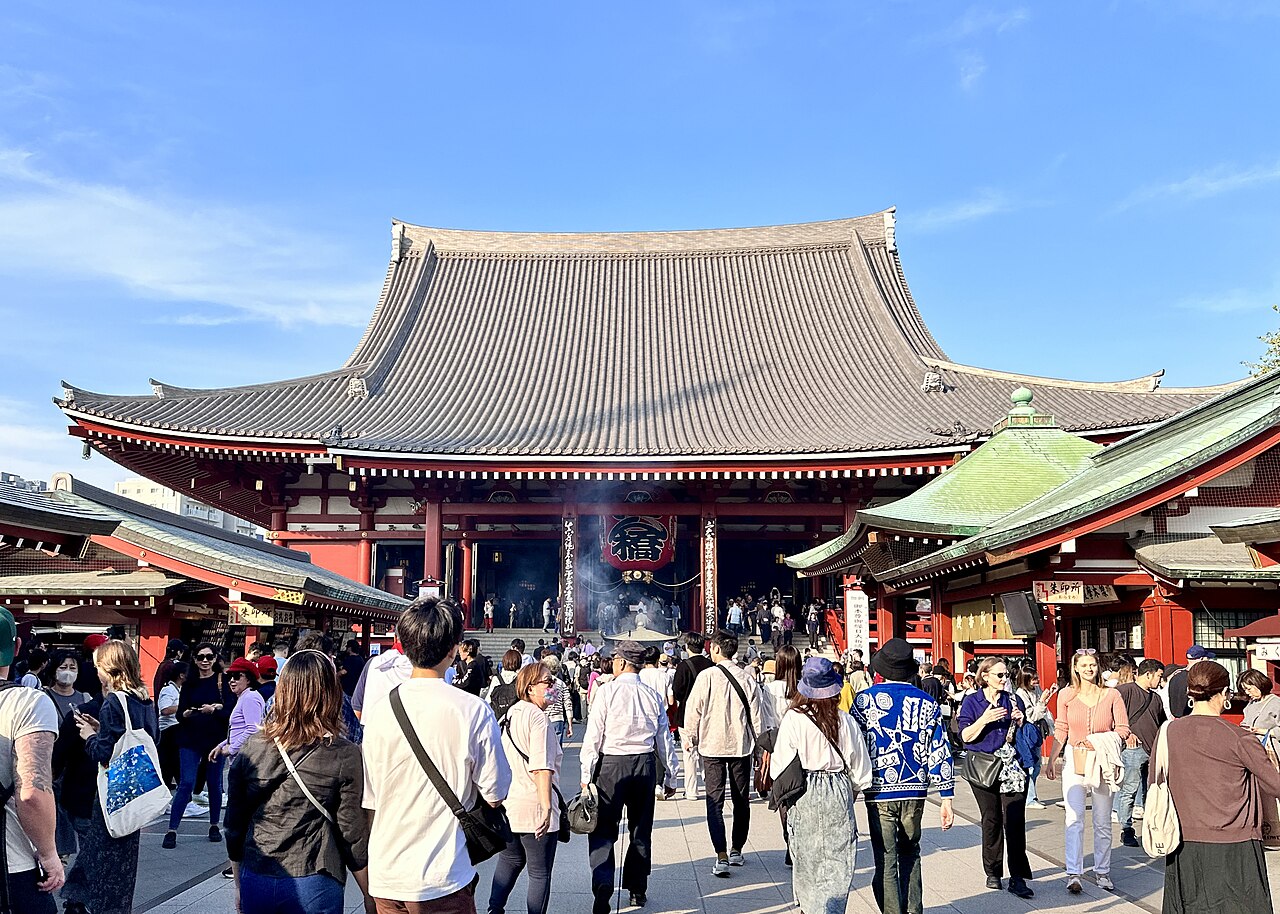
Start the morning at Senso-ji and Nakamise, then move to Ueno in the afternoon. Choose the places that interest you most, such as Ueno Park, the Tokyo National Museum and other exhibition venues, or Ameyoko. If you visit a museum, Asakusa and Ueno can fill the entire day.
If you prefer an observation deck and shopping to museums, replace Ueno with Tokyo Skytree and make it an Asakusa and Tokyo Skytree day.
Meiji Jingu, Harajuku, Shibuya, and Shinjuku at night: Modern Tokyo
This western Tokyo route combines the forested grounds of a shrine, youth culture, fashion, and a modern cityscape.
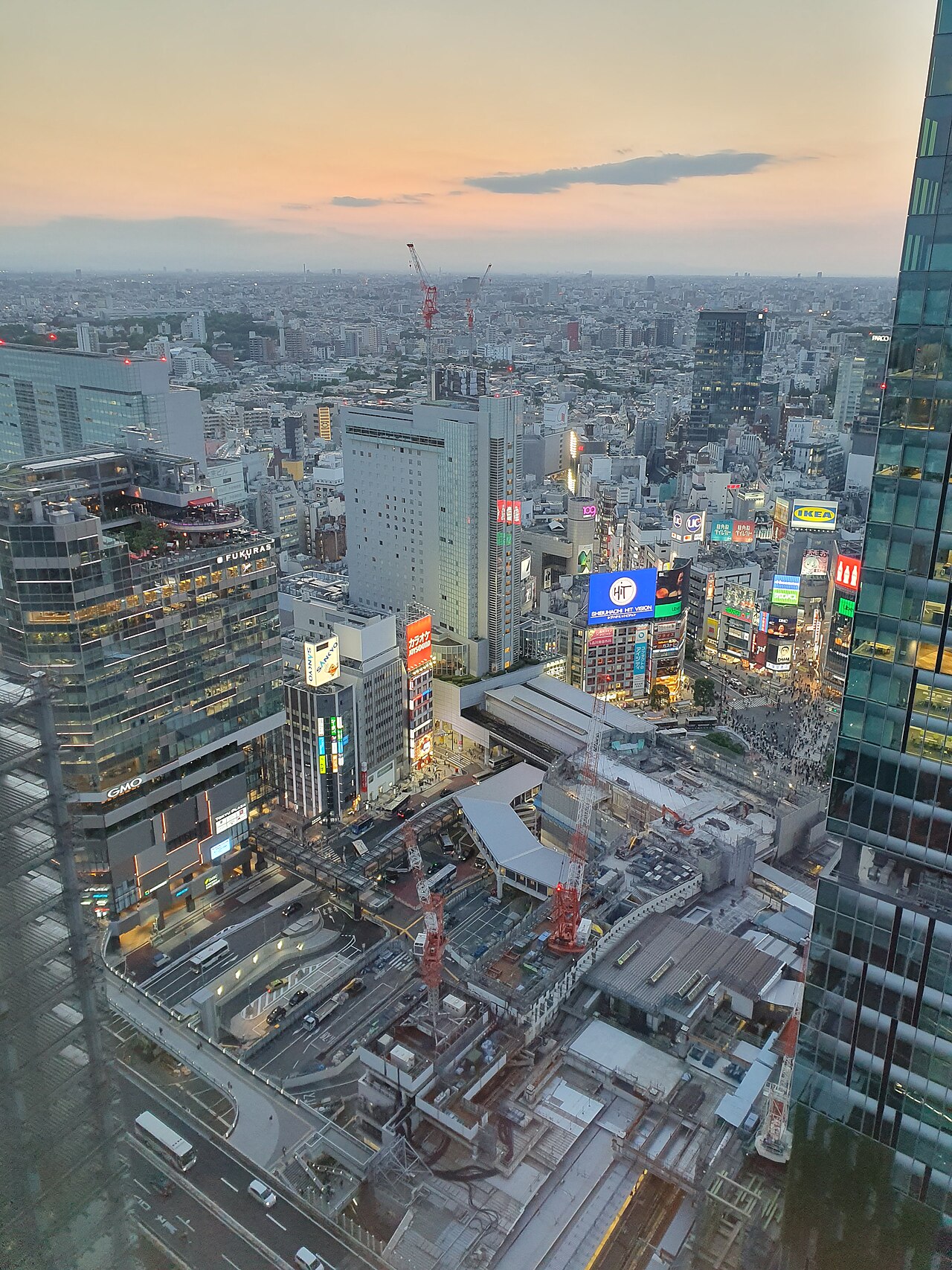
Visit Meiji Jingu in the morning, then begin exploring Harajuku before noon. Spend time on Takeshita Street for youth fashion and accessories, Cat Street for vintage clothing and distinctive shops, or Omotesando for architecture and designer brands.
Continue to Shibuya in the afternoon. Choose from Shibuya Crossing, Shibuya PARCO, MIYASHITA PARK, and observation decks, and add shopping if it suits your interests and schedule. If you plan to visit SHIBUYA SKY, build the day’s schedule around your reserved entry time.
If you still have time and energy, continue to Shinjuku for dinner and an evening walk. You do not need to add Shinjuku to the same day if you plan to shop for several hours in Shibuya or have booked an observation deck for the evening.
Tsukiji, Ginza, Tokyo Station, and Marunouchi: Food, shopping, and architecture
Choose this route if you are interested in market food, department stores and specialist shops, modern streetscapes, and the architecture of Tokyo Station.
Begin with food and shopping at Tsukiji Outer Market, walk through Ginza, and then continue to Tokyo Station and Marunouchi. If you enjoy gardens, add Hama-rikyu Gardens on the Tsukiji side. If you are interested in imperial history, add the Imperial Palace East Gardens on the Tokyo Station side. Doing both on the same day will make the schedule busy, so choose one.
Ginza is popular, but it is not essential for everyone. If shopping and architecture are not priorities, replace this route with one of the interest-based options below.
Akihabara, Kanda, and Jimbocho: Anime, games, and books
This route is for travelers interested in anime, games, Akihabara’s electronics district, bookshops, and used-book stores.
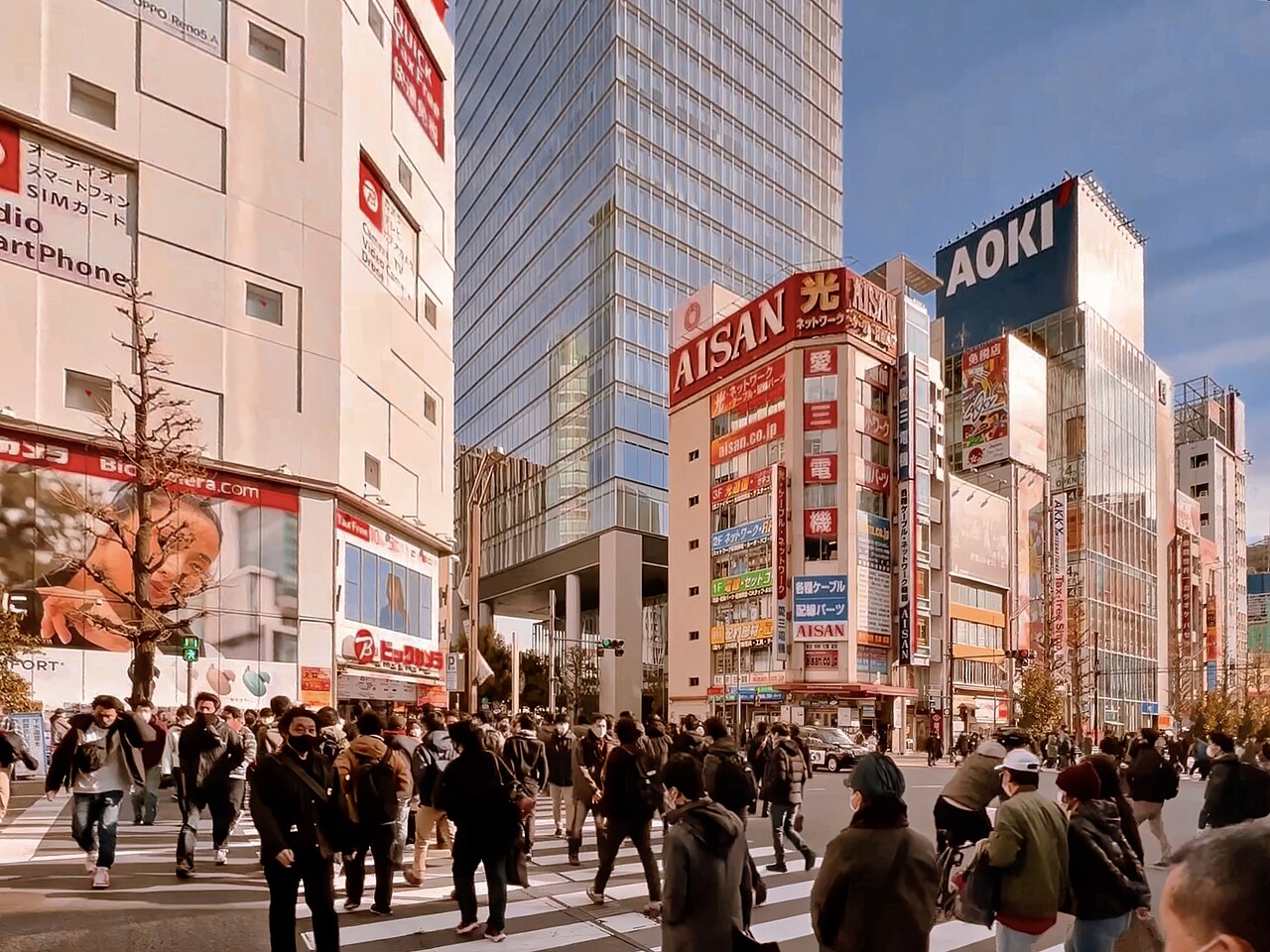
Akihabara can take more than half a day if you explore specialist and secondhand shops. Add Kanda and Jimbocho if you are also interested in books and traditional Japanese coffee shops, or kissaten. If anime and games are your only priorities, Ikebukuro or Nakano may suit you as well.
There is no need to visit Akihabara, Ikebukuro, and Nakano all in one day. Choose the one that best matches the titles or merchandise you are looking for so that you have enough time inside the shops.
Roppongi, Azabudai, and Tokyo Tower: Art, architecture, and night views
This route is for travelers interested in contemporary art, architecture, and observation decks. Combine the Roppongi museums, Azabudai Hills, and Tokyo Tower, choosing the places you most want to see.
teamLab Borderless is in Azabudai and is separate from teamLab Planets in Toyosu. If you buy a timed-entry ticket, organize the rest of the day around that entry time. If you want to explore museum exhibitions in depth, limit the day to one or two main venues.
Toyosu and Odaiba: Digital art, the waterfront, and science
This route suits travelers interested in teamLab Planets, waterfront views, science museums, and bayside shopping complexes.
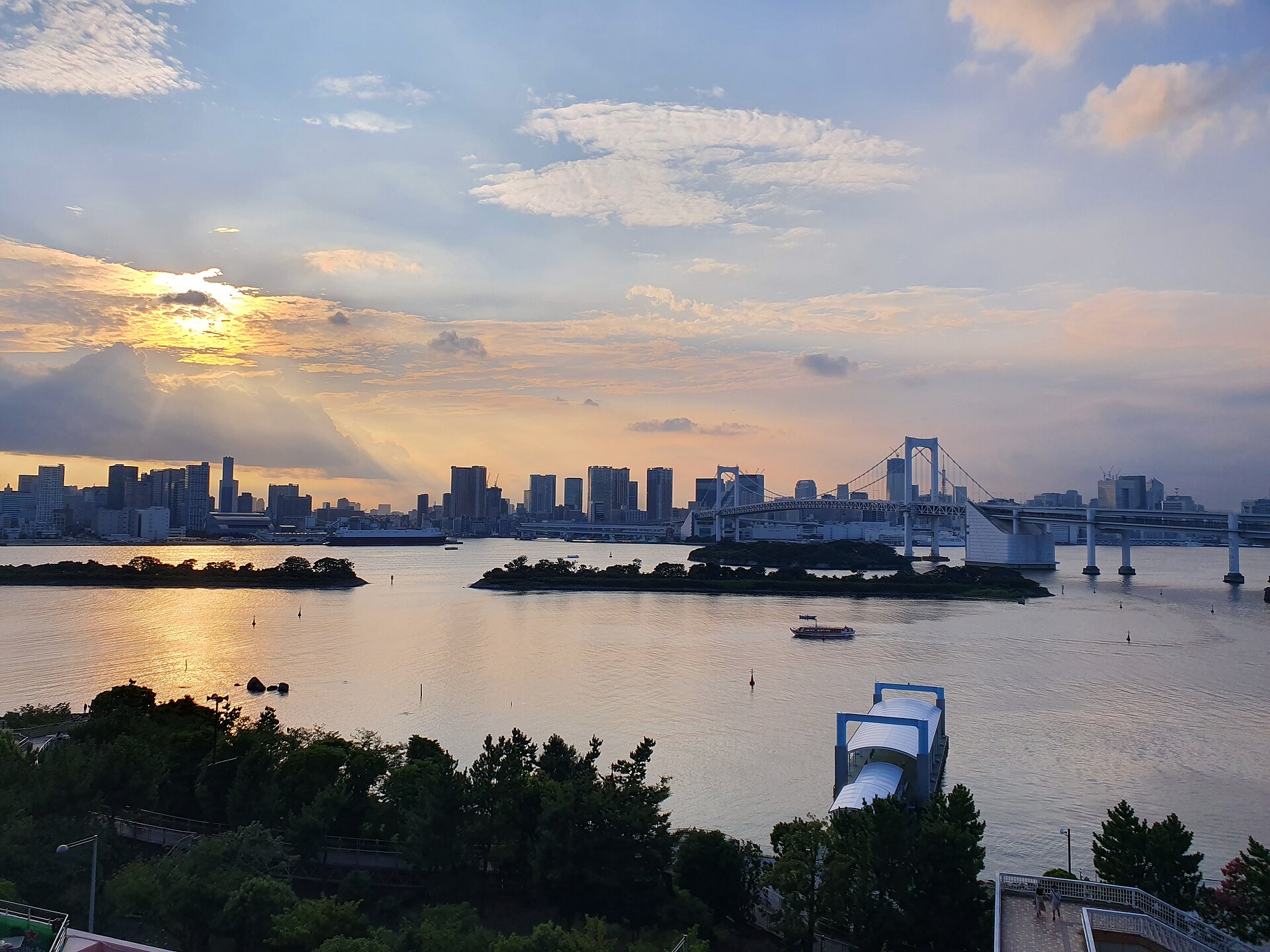
Plan around your reserved time at teamLab Planets, then combine it with either the Toyosu Market area or one place in Odaiba. In Odaiba, choose from Miraikan (the National Museum of Emerging Science and Innovation), the waterfront, and shopping complexes.
Attractions around Tokyo Bay are spread over a wide area. Once you include the walk from stations to each destination and time spent waiting for transportation, getting around can take time. Rather than trying to see everything, focus on about two places that matter most to you.
Shinjuku: Gardens, skyscrapers, shopping, and nightlife
You can add Shinjuku to the Shibuya day if you only want to visit in the evening. If you want to see Shinjuku Gyoen, the Tokyo Metropolitan Government Building and the skyscrapers of West Shinjuku, department stores and electronics retailers, and the nightlife areas, give Shinjuku half a day or a full day of its own.
If gardens and extended shopping are not priorities, it is more efficient to visit Shinjuku only in the evening after Harajuku and Shibuya rather than giving it a separate day.
Choose Yanaka, Shimokitazawa, or Kichijoji: Spend time in one neighborhood
This option is for travelers who would rather walk through one neighborhood and stop at shops and cafés than move quickly from one major attraction to the next.
In Yanaka, explore temples and traditional shopping streets. In Shimokitazawa, browse vintage clothing stores and other small shops. In Kichijoji, enjoy Inokashira Park and the local shopping streets. These three neighborhoods are far apart and are not intended as a single-day route. Choose one and spend half a day or a full day there at a relaxed pace.
Allow a full day for a Mount Fuji-area trip, another day trip, or Disney
If you want to see scenery or culture beyond Tokyo, add one of the following as a full-day plan. Do not combine it with Tokyo sightseeing on the same day; plan to leave in the morning.
Lake Kawaguchi area: Go for views of Mount Fuji
If seeing Mount Fuji up close is your priority, the Lake Kawaguchi area is a leading option. Do not try to cover all five Fuji lakes on a day trip. Focus on the Lake Kawaguchi area.
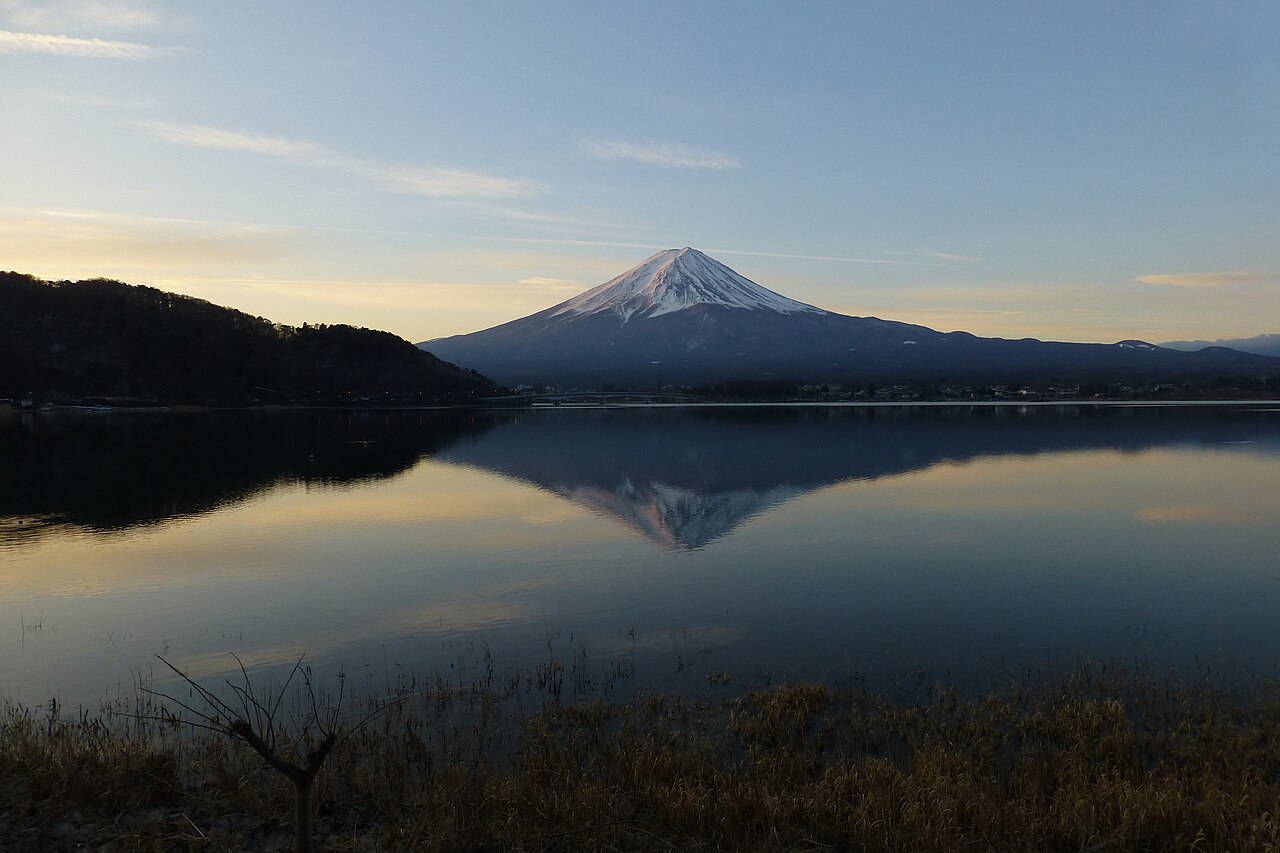
Views of Mount Fuji depend on clouds and weather. Even if you keep your schedule flexible and switch days according to the forecast, there is no guarantee that the mountain will be visible.
Hakone: Onsen, museums, and Lake Ashi
Choose Hakone if you want to enjoy onsen, museums, and the scenery around Lake Ashi. Mount Fuji can be visible from some places in suitable weather, but the purpose of a Hakone trip differs from a Lake Kawaguchi trip planned specifically around Fuji views.
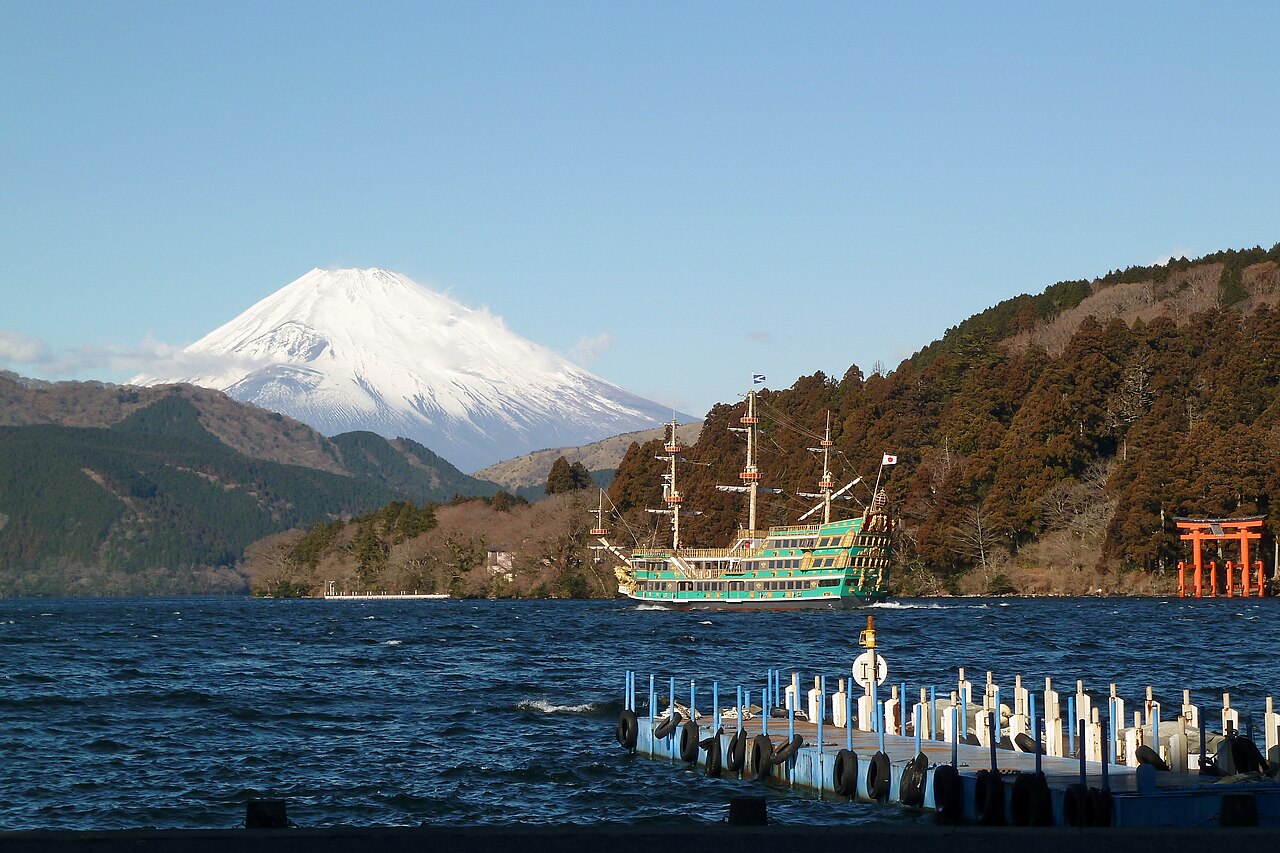
For a day trip, decide whether onsen, a museum, or Lake Ashi matters most. Hakone covers a broad area and requires several forms of transportation, so decide what you want to do before you arrive.
Kamakura: Temples, history, and the coast
Kamakura is an easy choice for a first day trip from Tokyo. You can combine temples and shrines, the Great Buddha, a walk through town, and the coast.
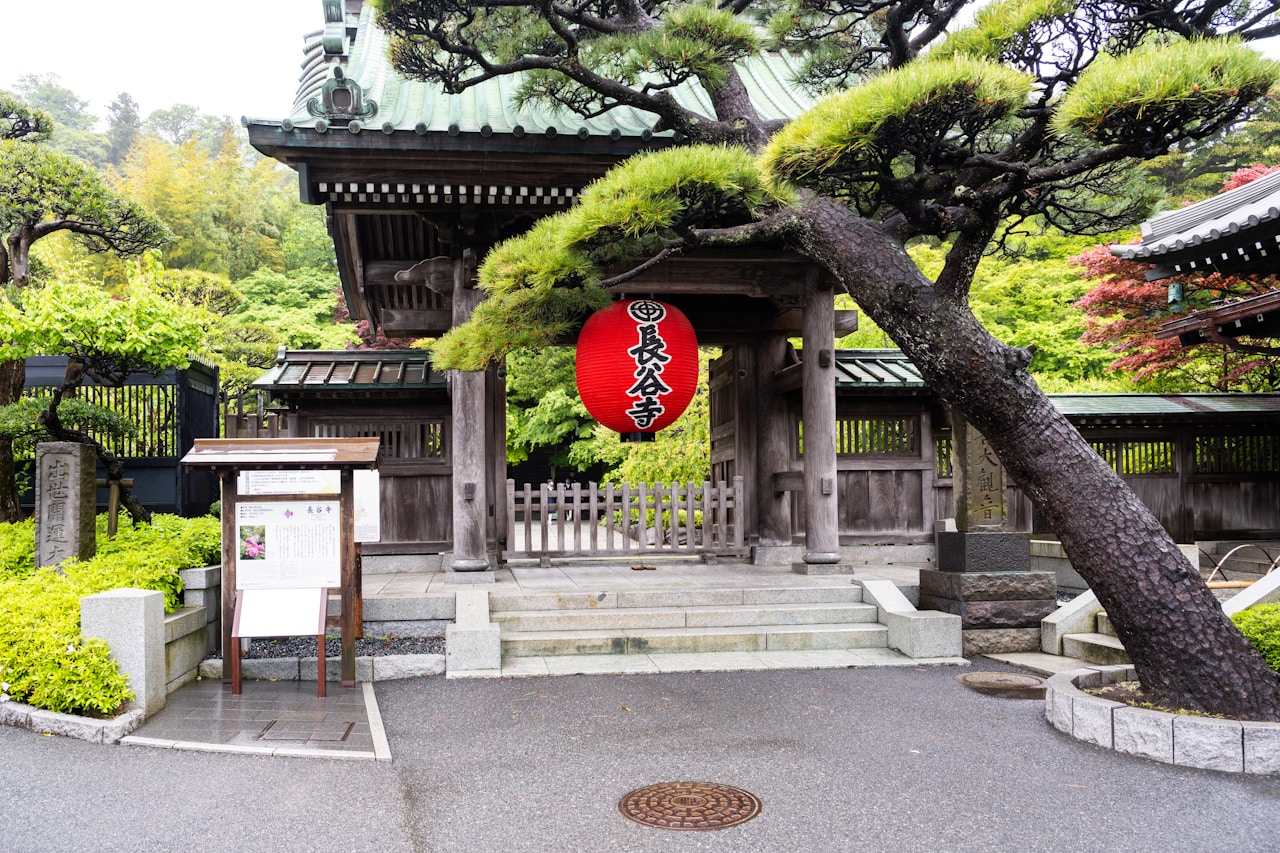
Instead of trying to visit as many famous temples and shrines as possible, choose a manageable area based on what you want to see, such as central Kamakura, Hase, or Kita-Kamakura. This will let you explore at a more relaxed pace.
Nikko: Historic shrine and temple architecture
Choose Nikko if you are interested in the history and architecture of its shrines and temples, including Nikko Toshogu. The round trip from Tokyo takes considerable time, so allow a full day.
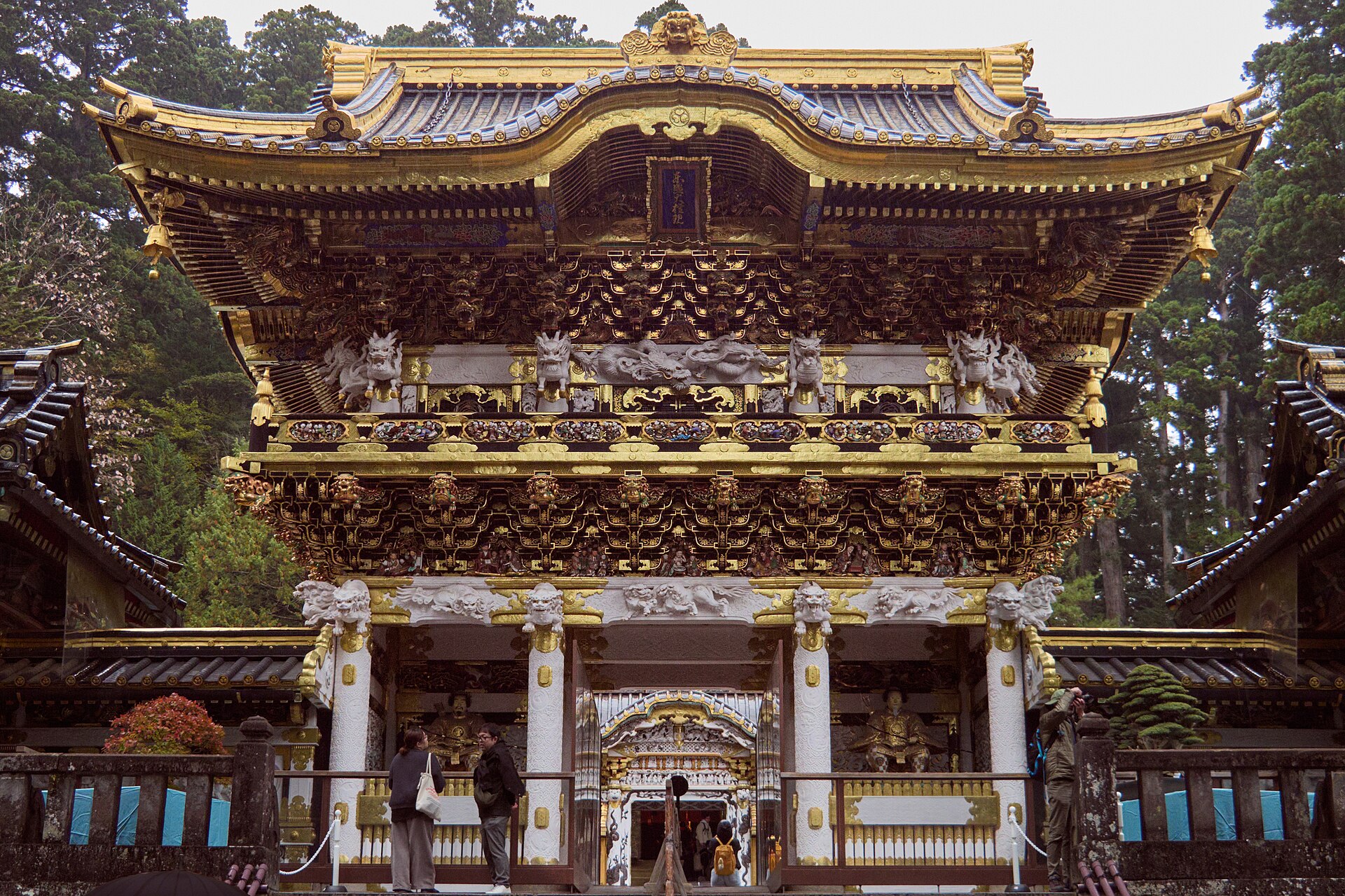
On a first visit to Nikko, focus on the shrine and temple area. Adding Kegon Falls and Lake Chuzenji in the Okunikko area creates a much more travel-intensive day, so a nature-focused visit requires a different itinerary.
Tokyo Disney Resort: Give one park a full day
Tokyo Disney Resort is in Urayasu, Chiba Prefecture, not in Tokyo itself. On a first visit, the simplest plan is to choose either Tokyo Disneyland or Tokyo DisneySea and give it a full day.
The standard 1-Day Passport is valid for a specified date and one specified park. If you want enough time to experience both parks, allow one full day for each.